
Be yourself; Everyone else is already taken.
— Oscar Wilde.
This is the first post on my new blog. I’m just getting this new blog going, so stay tuned for more. Subscribe below to get notified when I post new updates.
Be yourself; Everyone else is already taken.
— Oscar Wilde.
This is the first post on my new blog. I’m just getting this new blog going, so stay tuned for more. Subscribe below to get notified when I post new updates.
What is Disciplinary writing.
This can be described as any writing style in a certain discipline. In academics the writing could be split into three subsections which are science, humanities and business. The audience is key when understanding which discipline you are writing in and dictates what style you would like to use for a certain subject. An example might be a work on mental health and if you know who your audience would be you could know to choose a style of science or a style of humanities, whichever to improve your work for a specific audience.
What to look for when writing in a discipline.
There are steps to take in which we can assure ourselves that we are using the correct language, structure, methods and evidence for the right discipline. Depending on what discipline you are writing on, these factors are important to creating a cohesive piece of writing. Utilizing these terms correctly is important, as certain language in a scientific discipline doesn’t belong in an english paper. The structure of the paper or speech lays the groundwork for the writing and organization is key to ensure the best possible results of the work given in a certain discipline. Structuring a paper that is scientific should be structured around the evidence given by an experiment or test. As an english paper would be structured maybe around a personal experience where a personal experience would never be placed in a scientific discipline.
Ways the writing works
The methods of the work should answer questions that the reader or listener may have on the subject. The methods of a scientist getting results would be looked at and the credibility of the author with a personal experience would be looked at, and these methods should be able to answer any questions the reader/listener may have. There are crossovers of these methods in a certain way but overall tend to stick to their own disciplines. An example given by southwestern.edu is the theory that Marxism has on the way that someone may look at specific discipline and has changed both historians and literary scholars to view subjects yet they stay on their own. Each discipline has its own theories of methodology because they all answer different types of questions. The science methodology would ask something like how was the universe formed; and they would go deep into the quantum mechanics of the universe and use language to try and answer that question. The business methodology may ask how this quarter was compared to the last quarter in order to answer a question of potential revenue. The english methodology may ask how you may have felt during the civil rights movement if you were there and answer these questions through emotion in an humanistic setting. All of these take place in the universe and civil rights movement could have had an effect on business back then yet the disciplines all answer different questions that are unrelated.

Language and evidence.
It is very important to use proper language when writing in a certain discipline. Using scientific language in a strictly english discipline could be done but usually wouldn’t belong in that type of writing. The example given by the article in southwest.edu is the term of male versus men. The term male would most likely be used in a more scientific setting as men would be used in a more informal piece of writing. Another example would be the use of metaphors in a certain writing like english may be alright to use yet would not be ideal for a scientific setting. The way that a speech or writing would be in business would most likely not be passive and have a more stern professional sense of the work.

Evidence is very important when understanding the works of a discipline as well. The credibility that a writer has will definitely be scrutinized by the audience and the writer needs to show credibility in this discipline if wanting to be heard or understood in a cohesive matter. The methods in which evidence has been found is key to the audience and shows the steps in which the writer has taken to get to these conclusions. If a writer wants to talk about the sun yet the only evidence that he has looked into is stepping outside and looking at it, the audience isn’t going to believe them as much as an astrophysicist.
Work cited.
https://gwc.gsrc.ucla.edu/Resources/Writing-in-Business-and-Management
https://www.southwestern.edu/live/files/4558-disciplinary-writingpdf
Credibility blog.
The credibility when writing in academics or professional writing is very important and gives the work an overall purpose. The reason for writing in general would involve credibility whether it be a tweet, blog, or an essay on a certain subject gives the writing an audience. The choice of words, phrases, and sources may affect the audience that you may attract to the subject at hand. The author’s ability to speak on certain subjects would give the credible aspects on a subject or issues through word choice, information, and tone.
Identify the credibility.
The first thing you do when understanding how to create credibility is to understand the credibility of an author or a work of writing. Does the author have a good reason for writing on a certain subject? The amount of experience the author has been involved in an issue gives credibility. An example of an issue could be the school system in undeveloped areas; and a person who attended a school like that could have the notion that they could write on that issue and have credibility on being involved with that experience. Education could have an effect on strengthening the views in writing, through experience and an extended knowledge of the issues or subjects being discussed.
Evaluating Credibility.
The experience or education is what gives the author either the value in writing on a subject or could give relevance for the author’s purpose. The identity of the author needs to be taken into account when reading their work. The background that the author had as a child or the education they have when writing these works shows more what the author’s purpose is when producing credibility. What claims does the author choose to back up his reasons and evidence? Do they seem to be organized in a way that helps or diminishes the work? Understanding these factors greatly supports the credibility and can improve the work tremendously.
Asserting Credibility.
When asserting the credibility in a form of writing looking at the choices that an author makes when choosing sources, evidence, experiences and organization of the work. The choices being made have to be in relation to the overall benefit of the argument or thought on an issue. The audience is going to be how the author is influenced to use certain word choice, phrases and examples. An example of how an audience can influence a work is through stand up comedy; whether or not a certain joke works in a certain region an artist may not use that joke or tweak it to appeal to the audience. The tone of the author can affect the work in a positive or negative way especially when dealing with credibility. The author could come off as biased if the tone is too lenient toward one way.
Defining Credibility.
When defining the credibility of an issue the author must have a broad and open mind when discussing issues. Understanding both sides of the argument is very beneficial when speaking on an issue and can give the organization more importance when presenting the argument. What may others say about the issue? Who may have had an experience with an issue, and how they may feel should be taken into account. The critiques of a work should be explored before publishing as well. The counter arguments to an issue should steer the organization of the work in a way to be more compelling. The author may be able to prevent counter arguments by laying them out and having examples to why those counter arguments do not seem relevant.
Revising Credibility. Once all of these measures have been applied to the work prior to publishing it’s time to revise the work based on the counter measures that could be had in the discussion. This revising process can eliminate useless facts that don’t support the writing as another more important and relevant fact. The most credible facts are going to be the most believable and most important facts should be revealed toward the end of the work to emphasize its importance. All sides of the argument are to be addressed so that you can understand the importance of arguments and improve the piece of writing. Finally summarizing all of these findings into a more cohesive, persuasive and credible way.
Arguments
When the term argument is brought up people usually tend to think of hostile situations. Arguments have a stigma for two people or groups of people having a disagreement on a certain situation or subject, yet with open minds arguments can share ideas. Observing different points of views on any given subject is essential to any argument, especially when proving points on significant matters. Closed minds when entering an argument aren’t going to expand intellect and are losing the argument simply by not embracing the arguments purpose. The purpose of arguments is to exchange new ideas within society, through personal examples, evidence, and overall information on any subject. An open mind benefits any argument especially when understanding fully what another’s purpose is and if their credibility is established. 
Identifying issues.
The importance when trying to understand arguments is looking at both sides of the argument and knowing the issues within each side of the issue and others perspectives. The perspectives of people who are most impacted by the issue at hand should be delved into as well as defense mechanisms for an argument. The larger point of the argument is what any argument eventually ends at, breaking down the most important points in the discussion. The purpose of both sides is to share their ideas on the subject and it is important to emphasize your strongest points in the argument to have a stronger view point. Research on the issues being presented is significant for the argument and establishes a credibility that you are bringing to the table of issues.
Credence.
Having credibility in an argument is very crucial and requires research and understanding of the subject being presented. The amount of passion in the issue could give credibility but if your soley going off of passion you could seem not as credible as if you have extensive knowledge about the argument. The assumptions that a reader or debater may have are significant to understanding their point of the argument or their point of view when discussing issues. They also may assume certain things about your point of view if your stance is not clearly stated or is too vague to pinpoint. Knowing the severity of an issue is important and could help on defensive tactics within an argument.

Critique
You have to be able to critique both sides of any argument and give examples for why the critique is essential to the argument. Understanding the faults in your argument could benefit you in the long run in which you can rate your points of importance for the presented issue. Revising your strong points and weak points will spruce up the argument and exchange a higher power of ideas. Summarizing all of these key factors into a concise piece of work gives a sense of understanding on any issue and can better formulate opinions on the subject matter.
Voice.
The voice of any writing or presentation is the overall attitude the writer is taking toward a subject or an audience. The types of writing are shown through the tone of the work, is it uppity, slow, sad, informative, optimistic or pessimistic, these give the readers a sense of the author’s purpose. The author can show passion for a subject to engage the audience and keep them engaged throughout. The amount of passion for a subject must be also backed up through facts about the subject; if someone is too passionate with no fact backing any evidence the work could lose its credibility. Depending on the formality of the writing at hand slang may be used for an informal message but wouldn’t seem professional for a more formal message being expressed.
Words and flow.
Using words that flow and carry more meaning are better for the tone of the work in any setting. The use of words like “good or bad” could easily be changed into “great or terrible” to add more emphasis on any sentence. Words that have a deeper meaning are going to greatly broaden the work for the better and have a more profound and detailed effect. Words that are harder to meld together could break up the flow of the voice and could lose the audience. Knowing the audience is key and using the proper language to keep them engaged is crucial.
Overall tone.
The voice of any work is the overall tone and sets the stage of how the audience perceives your point of view on a subject or issue. How the author wants their opinions to be viewed or taken in as comes through in the voice. The balance (as mentioned before) between knowledge and passion should be taken into consideration, which gives all the credibility of the author. Having an extensive knowledge on a subject through research and maybe personal experience is very important and helps get ideas across the table. Emphasis on these subjects through strong language can play a key role in an argument. This also can showcase the point of view trying to be portrayed in a more precise way leaving no questions as to what the stance is that is been taken. The tone creates your own persona on a work and shows the world how you feel through a concise piece of writing.
The Purdue webpage that found regarding tone in rhetorical writing was short yet very informative. The definition it provides is very clear on tone being the overall attitude of the writing or characters in the writing. The definition includes the speed of the writing through passion and that if a person is passionate about the writing it may come off as “very excited”. The site does not provide evidence of too much passion could come off as biased, in which I see being a very clear possibility. The formal and informal aspect of tone was covered pretty well in explaining which was which, yet the examples fell flat and could have used a better example than the one provided. The points of view aspects of the article were very concise and helped me the most probably when reading this. I really agree with the “from your own angle” bullet where it explains to give your own opinion on the matter instead of researching and jotting down other arguments that have already been made. I believe that the language could have a major role in tone which gives a better attitude to the piece and adds more context that may not have been there normally.
The second source I am using for tone is the book that is required for class and shows tone through voice in chapter eight. I had also found some relative information in page 33 in which it helps show how to find your voice in introductions. The way it breaks down finding a topic is very helpful, it describes what you may do to start your essay. The first is begin “with background information or statistics” or “a definition”, or “an anecdotes or stories.” These can all set the stage for your essay and give the reader the sense of an informal or formal piece of writing. The first thing the book speaks about is “finding your voice”, where do you stand on a specific subject and how do you want to portray those feelings to a reader. The second would be to “assess your voice” which is figuring out whether the voice you have chosen for the writing is appropriate for the situation. The third is finding a way to “express the voice” that the writer wishes to convey to the audience. What type of words or phrases would the writer use to exhibit a sort of style throughout the works. The next step would be “refining that voice” like a fine wine in which you utilize all the language to show a more effective work. I didn’t agree with the book in comparing your voice to another style of writing. I believe that it could make the writer over think a certain subject and change what could have been a strong work but he made the argument weaker due to comparing styles. There are many examples in the book that explain all the reasoning for tone/voice and show the importance of voice and the consequences without it. I enjoy the concepts the book brings to the table on tone and found it to be very helpful.

The tone of a writing work is very important and it sets the writer’s attitude towards the subject or audience from the beginning. Whether the writing is slow or fast, uppity or sluggish, formal or informal, and pessimistic or optimistic it needs to be known by the audience or reader. This explains the way the writer looks at the subject and how they want to portray their voice and if it is going to be in a professional manner or not. The writer needs to show passion in their writing so that the audience is kept engaged and paying attention. The amount of passion can be ramped up at times yet having too much passion throughout the work could come across as biased and not very credible. We always want to seem credible, that is the reason for writing and having purpose, there is no purpose without credibility. There is no body language in writing but some things could be considered such as sarcasm or slang. Using slang all depends on the audience you have and using slang could offend someone and or erase your credibility. The way sarcasm is read in writing makes it very risky to use unless you completely know your audience will know it to be sarcasm.

The way the writer utilizes words can severely affect the tone or voice being used in a rhetorical situation. Using words that imply tone such as “good or bad” or “great or terrible” yet using the words that stand out more and have a deeper meaning will “tone up” the writing. The style in which you place these words could give the work an edgier look and showcase a firm understanding of the English language. The melding of certain words could speed up the writing and start ramping up the passion for emphasis on a certain matter. The extensive knowledge one must have on any particular subject, especially in writing plays a key role in tone. The credibility affects the work and one having no knowledge on the subject seems to have no purpose in writing on the subject. All of these tools are to create emphasis on the tone of the work and for the writer the get their point across, with no questions whether to which side they stand on.
Miller, J. S. (2016). The real world reader: a rhetorical reader for writers. New York: Oxford University Press.
When writing any type of work there is some sort of drive behind the writers means of doing so, whether it be for a school project or an office memo most writing is trying to get a point across. Now when achieving these goals of exchanging ideas we look for the reasoning this idea needs to be shared and to whom you would like to share these thoughts expressions. This is the audience and the purpose for writing for whatever subject you wish to share through writing. Comedians write jokes and take them to the stage to get make a crowd laugh at what could be a normalized thing but they showcase it to the crowd in a way they have never thought about before. The purpose is mainly to get others to think about the subject that you have a purpose for writing and have others being engaged in these conversations and that is how we grow in a society, by sharing and understanding.
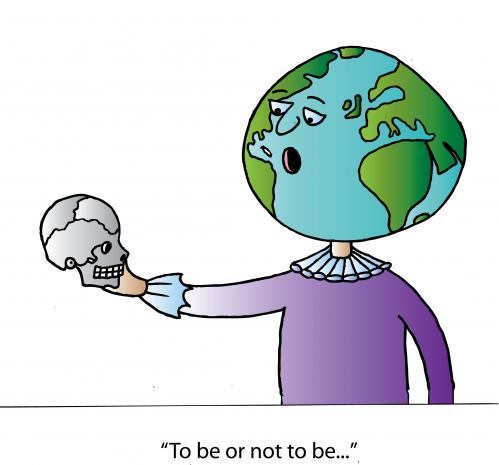
Now when figuring whether the purpose is worthy you have to evaluate all the essential points that you may want to get across and see if they could work. Finding a sturdy way of organization would be very useful as well in building up the points leading to a final more severe argument that expresses a new way of thinking. Understanding the topic very well and having the strongest arguments last can really make your point stand out. Using strong language to accentuate your stance on a specific topic leads to having strong arguments in research and or personal experience. The strength of the language is important but we don’t want it to be too overpowering and seem to be biased toward the subjects. We want to show compassion for both sides of the argument yet be more leaning toward the side your defending and then end strong. In understanding the other side of the argument you could focus on the overall picture of the argument and know where the opposite thoughts are working from allowing a betterment of your purpose for writing. The showing of an unbiased approach keeps the reader engaged in not reading total lies and deceit but an honest writer trying to share thoughts and ideas.
The audience that you want to share an idea with is key to the purpose of your writing, understanding the audience means you have a broader idea of what language, tone, expressions, and topics to use to your advantage. The first thing is to identify your audience, who do you think you would like to share these ideas with and how will they react. Avoid assumptions of your audience, understanding the audience and assuming are very different and can lead in the audience tuning out of the conversation. This could have someone thinking “well you already know everything about me, there is no point in engaging.” The influence of the audience is very important and keeping them engaged to understanding your point is done through non assuming strong language. Understanding the more and least effective ways when engaging an audience can significantly help your point come across as unbiased and heavily researched. Allowing yourself to be the audience can shed light on perspectives that you have in the writing, ask yourself how you would feel “in their shoes” so to speak when reading this blog or article. Would you be an ideal reader for this topic or is it too opinionated and not enough facts? And or does that make you an ideal conversationalist for the topic? I would keep things civil when bringing the writing to a post or publication and knowing your audience and using language to only support your findings not diminish them is the key to a successful post, blog letter, memo, or presentation.

The purpose of writing coincide with the audience in which they both play a roll when engaging in a conversation. Sharing ideas and expressions is how the human race has evolved over time. These days the offended are increasing through expressions and language being used, which is why it is important to understand your audience and understand your purpose. The use of writing is to share and help one another understand concepts that we may never have understood. “Sharing is caring” is a phrase that comes to mind and if your purpose of writing is to hurt or bring displacement of ideas through your purpose your audience will be far less engaged with negative aspects than positive ones.
Sources: Miller, J. S. (2016). The real world reader: a rhetorical reader for writers. New York: Oxford University Press.
Purdue Writing Lab. (n.d.). Elements of Rhetorical Situations // Purdue Writing Lab. Retrieved from https://owl.purdue.edu/owl/general_writing/academic_writing/rhetorical_situation/elements_of_rhetorical_situations.html
My name is Ty Prewitt, I was born in Glendora California and I am the eldest of four. I am the first in my family to attend college and my major is in English and hope to graduate by 2021. I am considered to be a junior and my first two years of college I accomplished at Coconino Community College, so this is my first year that I am attending Northern Arizona University. I chose English to be my major because writing seemed to come easier to me than other subjects. I am not sure what I want my career to be after I graduate but there are a few things I have been looking into, the main one would be to become a professor or possibly get into some sort of law career. My uncle Todd is a big influence on me to continue to finish my college education, my uncle has his masters and is a college professor that teaches all over California. I grew up without a father most of my life and my uncle was the father figure in my life and showcased the values of education which inspired me to attend college.
The reasoning I am taking this course Eng 218 is to better my writing and make it more professional than amatuer. I am always looking to improve my work and this course seems like it could show me how to write in a professional setting. I have taken many English courses but they were all mainly creative writing courses, this will be my first course in rhetoric and disciplinary writing and I am excited to learn. The blogging aspect of this course will also be a first for me, I have never started a blog and look forward to sharing my ideas on subjects. The understanding of others through blogging is also aspect I am excited for, the exchanging of ideas and concepts that would better our understanding of our fellow peers.
I have a few hobbies that I have been practicing for practically my entire life, I have been playing chess since the third grade and have been skateboarding for over 15 years. I have always been athletic throughout my life and it fuels my love for sports. I have won a few skateboard competitions in Arizona and I was planning on becoming a professional skateboarder when I was young but school, friends and parties got in the way of that and now I am attending college to find a realistic career. When I was younger I would attend as many chess tournaments as I could and I also was the top fourth grader in Arizona for chess. I would have loved to be a grandmaster though I didn’t play throughout middle and high school. I enjoy watching all sports such as basketball, football, golf, bowling, soccer and baseball, my favorite teams are Los Angeles Clippers, Seattle Seahawks, and Los Angeles Angels.
I am truly excited for this course and the diversity of the class in hobbies and places of origin are going to make it that much more interesting. I am hoping this course is a new frontier of my academic career and opens doors for other options I can choose from when finding a career. Everyone seems very friendly and I am looking forward to having a great time in this course.
This is an example post, originally published as part of Blogging University. Enroll in one of our ten programs, and start your blog right.
You’re going to publish a post today. Don’t worry about how your blog looks. Don’t worry if you haven’t given it a name yet, or you’re feeling overwhelmed. Just click the “New Post” button, and tell us why you’re here.
Why do this?
The post can be short or long, a personal intro to your life or a bloggy mission statement, a manifesto for the future or a simple outline of your the types of things you hope to publish.
To help you get started, here are a few questions:
You’re not locked into any of this; one of the wonderful things about blogs is how they constantly evolve as we learn, grow, and interact with one another — but it’s good to know where and why you started, and articulating your goals may just give you a few other post ideas.
Can’t think how to get started? Just write the first thing that pops into your head. Anne Lamott, author of a book on writing we love, says that you need to give yourself permission to write a “crappy first draft”. Anne makes a great point — just start writing, and worry about editing it later.
When you’re ready to publish, give your post three to five tags that describe your blog’s focus — writing, photography, fiction, parenting, food, cars, movies, sports, whatever. These tags will help others who care about your topics find you in the Reader. Make sure one of the tags is “zerotohero,” so other new bloggers can find you, too.


 Ty Prewitt's blog